

From Silence to Change: How a Sexual Violence Prevention Project Is Empowering the Deaf Community
Sexual and domestic violence have long received too little attention within the Deaf community. Limited access to information in Lithuanian Sign Language, barriers to accessing support services, and gaps in professionals’ knowledge make it harder for Deaf people to recognise violence and seek help. Yet ongoing prevention efforts are showing that meaningful change is possible. Members of the Deaf community are increasingly speaking openly about violence, sharing their experiences, and taking steps to support one another.
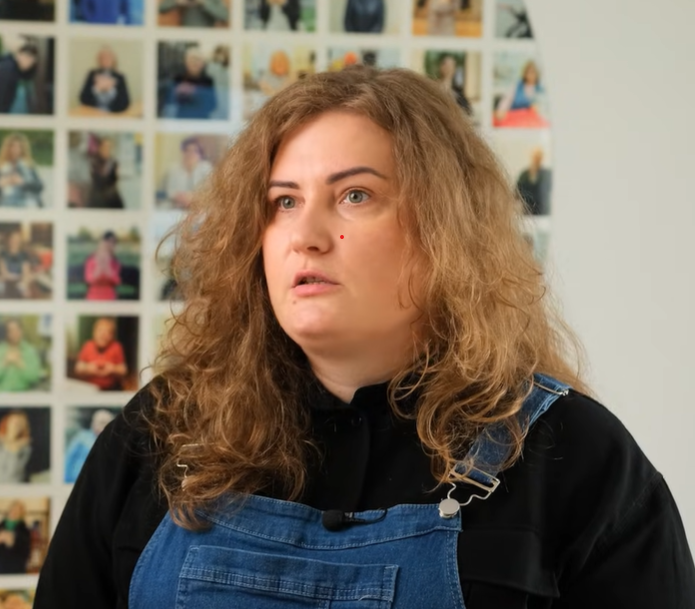
Mykolas Balaišis, Head of the Kaunas Branch of the Lithuanian Association of the Deaf, and Justina Vertelkaitė, a staff member at the same organisation, have witnessed these changes first-hand. They explain that taking a closer look at the issue revealed that violence was far more widespread within the Deaf community than previously thought.
“We did not realise how much violence existed within our community,” says Balaišis, recalling how improved access to emergency services helped shed light on the number of Deaf people seeking assistance in situations involving violence.
Building the Knowledge and Skills to Recognise Violence and Offer Support
One of the project’s main goals is to make information about sexual violence prevention, different forms of violence, personal boundaries, and available support services accessible to Deaf and hard-of-hearing people.
To achieve this, the project is developing a prevention programme tailored to the needs of the Deaf community, with community members actively involved in its design and delivery. The activities focus on three main groups: Deaf young people aged 14–18, Deaf women aged 18 and over, and professionals who work directly with the Deaf community.
Particular emphasis is placed on ongoing learning, access to information in Lithuanian Sign Language, and developing practical skills.
According to the project team, significant progress is already evident among Deaf social workers who support other members of their community in their day-to-day work.
In the past, social workers often lacked the knowledge needed to recognise different forms of violence, respond appropriately to signs of abuse, or refer people to relevant support services. Through the project’s prevention activities, they have gained practical tools and skills that help them handle sensitive situations with greater confidence and professionalism.
The project team explains that social workers are now better equipped to recognise potential signs of abuse, even when the person experiencing it may not yet recognise what is happening as violence. They have also developed a deeper understanding of how to build trust, start sensitive conversations, respect each person’s pace, and offer support without applying pressure.
When the Community Begins to Speak Out
Change is also taking place within the Deaf community itself. As workshops and awareness-raising activities reach more people, conversations about violence and how to recognise it are becoming increasingly common in everyday community life.
Deaf content creators and influencers have started sharing information about violence on social media, while community members are becoming more comfortable speaking openly about their own experiences.
What was once a largely unspoken issue is gradually becoming part of a wider conversation. Information is spreading beyond Kaunas to other cities across Lithuania and even reaching Deaf Lithuanians living abroad.
One particularly encouraging development is the growing number of initiatives led by community members themselves. Women who have experienced violence are beginning to share their stories, organise gatherings, encourage open conversations, and help others find support.
These developments show that the project’s impact goes far beyond raising awareness. It is also helping to build trust, strengthen community engagement, and foster a culture of mutual support.
Creating Lasting Change Within the Community
The project’s ambitions extend beyond organising training sessions or sharing information with a limited number of participants. The sexual violence prevention programme aims to bring about lasting change by embedding new knowledge and skills into everyday practice and empowering the Deaf community to take an active role in preventing violence.
With stronger professional skills and greater awareness, social workers and other specialists are better able to recognise when someone needs help and respond effectively. Community-led initiatives help reach more people, while information in Lithuanian Sign Language makes it easier for Deaf people to understand their rights and find the support they need.
In the longer term, the project aims to establish a prevention programme that can be adopted more widely, extending beyond the communities currently involved and potentially being implemented across Lithuania.
The project’s real impact becomes clear when knowledge leads to action: professionals are better prepared to offer support, community members feel more confident speaking openly about violence, and Deaf people themselves become drivers of change.
Ultimately, this is the lasting change the project hopes to achieve: a society where no one is left without information, support, or access to help simply because they are Deaf or hard of hearing.
Watch the video featuring Mykolas Balaišis and Justina Vertelkaitė from the Kaunas Branch of the Lithuanian Association of the Deaf as they share their experiences, reflect on the changes they have seen, and explain why accessible violence prevention is so important for the Deaf community.


